High-technology milking has never been so easy
In 1983, the first cow was milked by a milking robot under research conditions on a Dutch experimental farm. It took a few years, but in 1992 the first automatic milking systems (AMS) were commercially installed in the Netherlands. In 1999, the first AMS was installed in North America on a Canadian farm. Today, more than 25,000 farms are using AMS, with the greatest adoption of this technology being in Denmark, Sweden, Iceland, and the Netherlands.
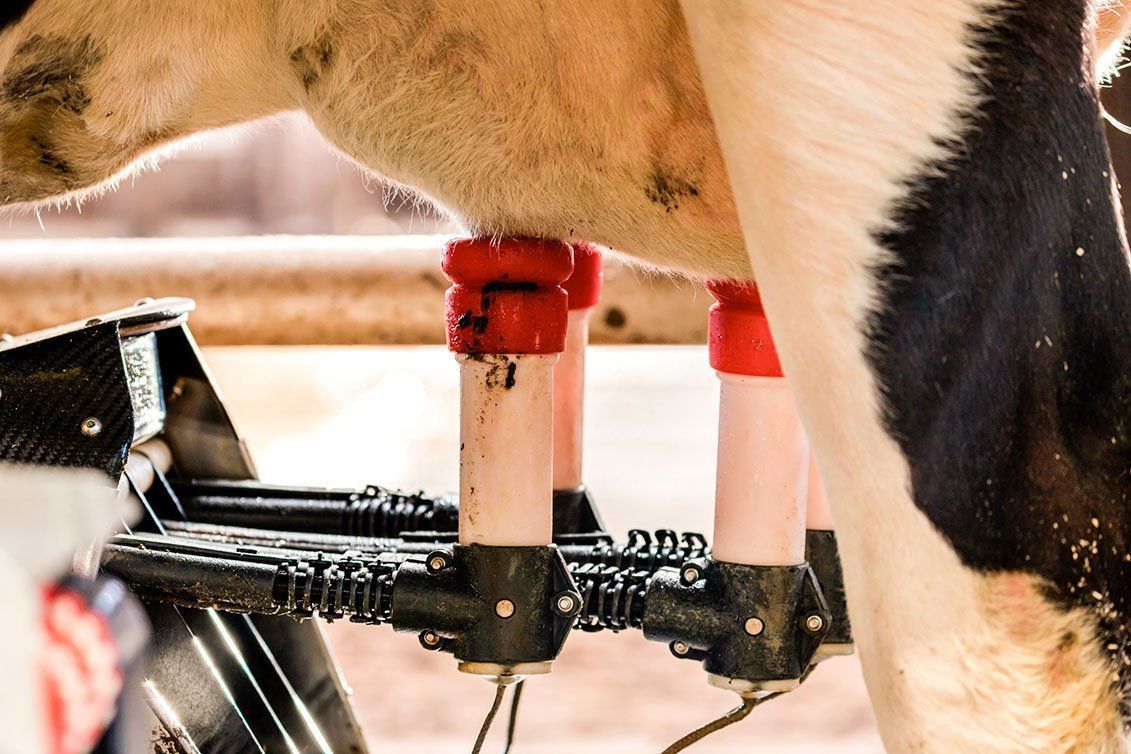
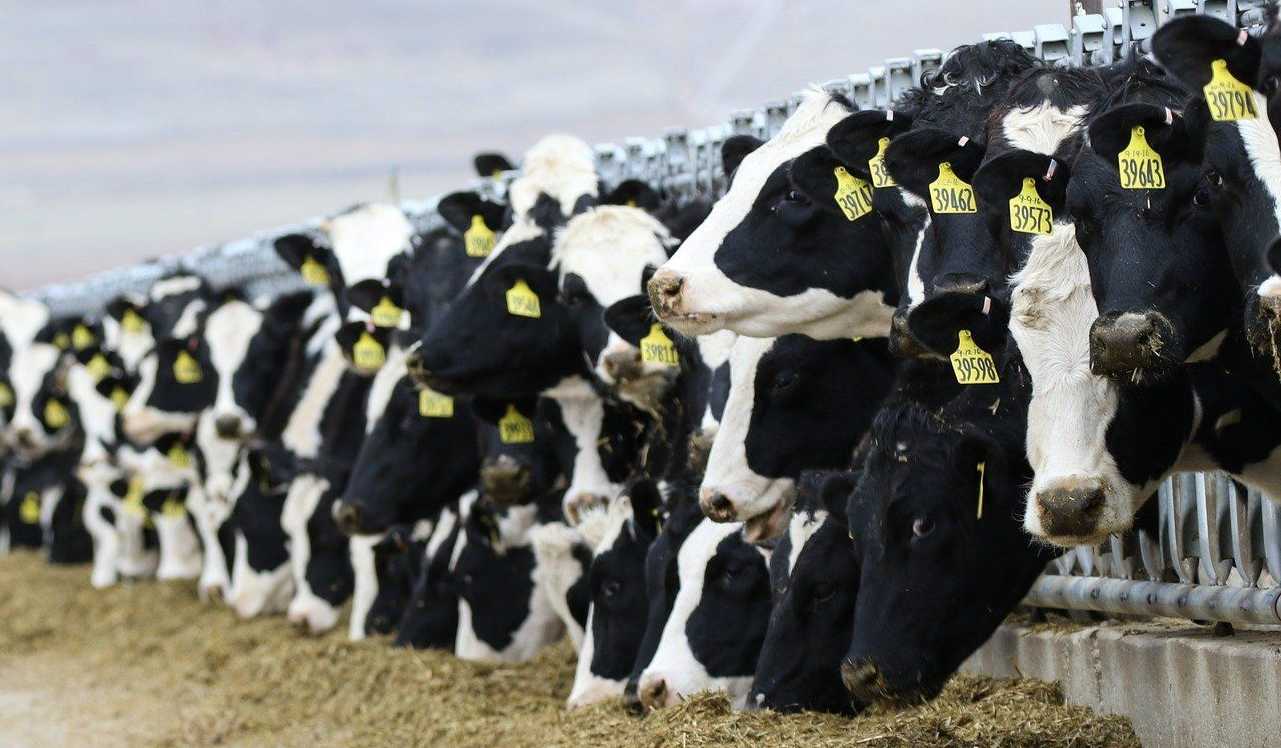
The robotic era The primary goal of AMS was - and still is - replacing manual labor and higher milk yields, as the milking robots allow some cows to enter as many as three to five times a day instead of milked twice in a conventional parlour. Automatic milking systems have the potential to increase milk production by up to 12%. Despite the potential, the first years of robotic milking were full of teething problems (failure of software and hardware components). This isn’t surprising. This technology was new for the supplier, the dairy farmer and the animals and they needed time to get used to it. Despite being a great innovation, each AMS is able to milk ‘only’ around 50-60 cows per day. This is perfect for medium sized European or Canadian farms. But the average number of dairy cows per farm has continuously increased over recent decades in all developed countries. A quick calculation tells us that a US dairy farm of 3,000 dairy cows would need 50-60 robots. You can imagine the high investment costs and necessary housing changes. Not all technologies are a perfect fit for all types and sizes of farms.
Nevertheless, AMS adoption on dairy farms around the world is still growing and the robots are getting more advanced and better connected with other (data) systems on the farm. Some of the AMS manufacturers and early innovators also added other types of robots to their product portfolio. Farmers can now buy robots that feed the cow and calves, sweep up feed and even scrape the manure up. Due to implementation of robotics, as well as innovation in housing systems and barn designs, animal nutrition, calf rearing, artificial insemination and the use of genetically superior breeds, dairy farms have made large scale jumps since the 1990s.
Revolutionize dairy farming once more If we look at the more recent technological innovations in dairy farming, we don’t see a lot of new big machines or robotics. Instead, we see a range of technological solutions that are focused on gathering and analyzing farm and animal data in an easy and quick way to help farmers make better decisions. Interestingly, some of these new solutions also use artificial intelligence (AI) modelling and machine learning. The application of AI has already been quite fruitful in several industries such as technology, banking , marketing, and entertainment . But the application in agriculture and dairy is only at the beginning. These new types of technologies are ready to revolutionise dairy farming once more, just like robotic milking did 30 years ago. But what do these new technologies fuelled by AI do? And how can it help farmers produce high quality milk from healthy cows?
AI-fuelled milk quality There are already a few exciting AI-driven solutions available for farmers. Some of them are sensor or computer vision technologies that capture cow data and use AI models to learn from and interpret the data. The application of AI makes it possible to improve the technology every day and to make it tailor-made for each unique farm. AI has also made its way to milk testing and it is now possible to apply AI-enabled optical sensing for raw milk testing on the farm.
Labby uses advanced mobile spectroscopy to determine milk composition and quality information, including milk fat, protein and somatic cell count (SCC). The AI cloud platform then translates this raw optical data into meaningful insight on both the individual and herd levels. Low bacterial counts and low SCC are the key indicators of milk quality, and as their numbers increase, there is a higher risk for contamination of milk and cheese with pathogens. Mastitis increases the SCC of the milk and thereby reduces revenue generated from milk sales. Mastitis is also a painful condition and should be prevented to maintain animal health and welfare. By tracking the SCC in real-time for each individual cow, farmers can detect mastitis immediately and manage the disease with minimal impact on the milk yield.
Sensors are part of new way of milking The milking robot was introduced to make the milking process more efficient and productive. It used to be a stand-alone system as robot suppliers wanted to keep the data to themselves. But over the years most robots have been made compatible with many other technologies and sensors, and data flows between systems are being promoted, which is a very good development. Integrating AMS technology with other systems and sensor technology helps improve the health and welfare status of the cows and enables farmers to act quicker and make better, more informed decisions. Also, Labby’s inline sensing milk analyzer can be seamlessly integrated with most robotic milking and parlor style farms.
Ever since the first cows were milked robotically almost 30 years ago a lot has changed for dairy farmers. At the same time, we also see that the challenges of dairy farmers haven't changed that much over the years. Mastitis, milk quality, volatile milk prices and labor issues have been around for years and will remain challenges in the future. The biggest change is that we have new, faster, cheaper technologies to deal with them. Sensor technology in combination with AI is shaping the way we manage and milk our cows and is revolutionizing dairy farming once more.
To learn more about how Labby’s automated milk testing solution is helping dairy farmers, sign up for a demo
here
.